Call us now :08045814334
 Send Inquiry
 Send Inquiry
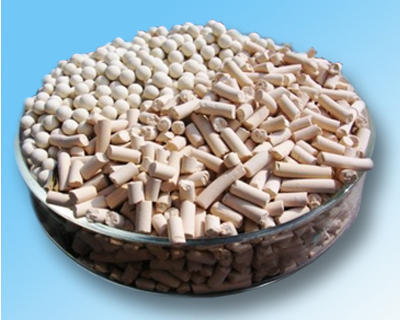
4a molecular sieve
Price 1 INR/ Kilograms
MOQ : 1 Kilograms
4a molecular sieve Specification
- Diameter
- 1.6-2.5 mm/3.0-5.0 mm
- Features
- Excellent water adsorption, high mechanical strength, uniform bead size
- Dimension (L*W*H)
- Beads/Granules standard diameters 1.6-2.5 mm/3.0-5.0 mm
- Condition
- New
- Noise Level
- Silent
- Product Type
- 4A Molecular Sieve
- Material
- Synthetic Zeolite
- Computerized
- No
- Automatic Grade
- Manual
- CNC Or Not
- No
- Weight (kg)
- 25 kg per bag (standard packaging)
- Capacity
- High adsorption capacity (variable as per application)
- Color
- Light grey to beige
- Usage & Applications
- Adsorption of water from gases and liquids, drying and purification of air, refrigerants, natural gas, solvents and liquids
- Shelf Life
- 2 years if stored in airtight container
- Loss on Attrition
- 0.2%
- Water Adsorption Capacity
- 21 wt%
- Regeneration Temperature
- 200-300C
- Surface Area
- >700 m/g
- Packaging Type
- 25 kg Bag or Drum
- Shape
- Beads, Pellets, Powder
- Pore Size
- 4 Angstroms (0.4 nm)
- Bulk Density
- 0.66-0.70 g/ml
- Crush Strength
- >45N (Diameter 1.6-2.5mm)
- Chemical Formula
- Na2OAl2O32SiO24.5H2O
4a molecular sieve Trade Information
- Minimum Order Quantity
- 1 Kilograms
- Supply Ability
- 500 Kilograms Per Day
- Delivery Time
- 1 Week
About 4a molecular sieve
We are a leading manufacturer of 4A Molecular Sieve for the various applications such as - The pore size for 4A molecular Sieve is 4A. It is mainly used to adsorb water, methanol, ethanol, sulfureted hydrogen, carbon dioxide, ethylene, propylene, does not adsorb any larger molecular than its pore size, and often used as desiccant in industrial applications.Superior Adsorption Performance
With a high specific surface area and controlled pore size of 4 angstroms, the 4A molecular sieve efficiently adsorbs water molecules from gases and liquids. Its impressive water adsorption capacity ( 21 wt%) makes it a preferred choice for moisture removal in a variety of industrial processes, preserving product quality and extending equipment lifespan.
Versatile Industrial Applications
This molecular sieve is extensively used in industries for drying and purifying air, refrigerants, natural gas, and various solvents. Its uniform bead size and high mechanical strength ensure consistent results and minimal dust generation, making it suitable for both large-scale processing facilities and smaller operational setups.
Reliable Quality and Packaging
Manufactured in India to stringent quality standards, the 4A molecular sieve is offered in easy-to-handle 25 kg bags or drums. Its shelf life extends up to two years when stored in airtight conditions, guaranteeing dependable performance and ease of storage for exporters, manufacturers, suppliers, and traders alike.
FAQs of 4a molecular sieve:
Q: How is the 4A molecular sieve typically used in industrial applications?
A: The 4A molecular sieve is widely used for drying and purifying gases and liquids in sectors such as petrochemicals, air separation, refrigeration, and natural gas processing. It effectively removes water vapor, ensuring product quality and protecting sensitive equipment from moisture-related damage.Q: What is the regeneration process for 4A molecular sieve beads?
A: Regeneration of 4A molecular sieve is achieved by heating it to a temperature between 200 and 300C. This process desorbs the accumulated water, restoring the sieves adsorption capacity for reuse in subsequent cycles.Q: When should the 4A molecular sieve be replaced or regenerated?
A: The 4A molecular sieve needs regeneration when its adsorption capacity declines, typically indicated by breakthrough of moisture. If regeneration does not restore performance, replacement is advised. Regular monitoring in continuous operations will help determine optimal intervals.Q: Where can the 4A molecular sieve be stored to maintain shelf life?
A: To maintain its two-year shelf life, the 4A molecular sieve should be stored in airtight containers placed in dry environments, away from moisture and contaminants. Proper storage prevents premature loss of adsorption capacity.Q: What are the benefits of using 4A molecular sieves in moisture-sensitive processes?
A: Using 4A molecular sieves ensures reliable and efficient water removal, which helps maintain the purity of final products, safeguards equipment from corrosion or freezing, and boosts overall operational efficiency in moisture-sensitive processes.Q: How does the molecular sieves pore size impact its adsorption capabilities?
A: With a pore size of 4 angstroms (0.4 nm), the 4A molecular sieve selectively adsorbs water molecules while excluding larger molecules, making it ideal for targeted dehydration tasks without affecting other compounds present in the process stream.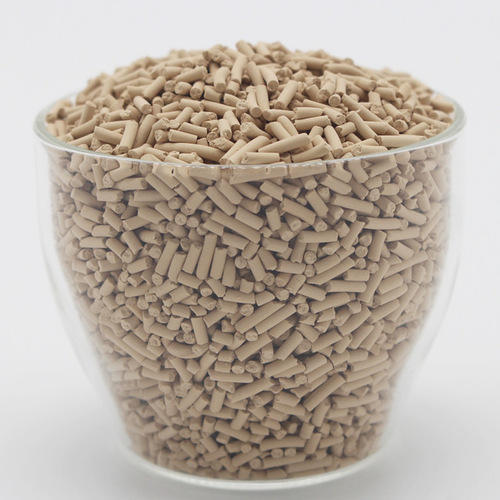
Tell us about your requirement

Price:
Quantity
Select Unit
- 50
- 100
- 200
- 250
- 500
- 1000+
Additional detail
Mobile number
Email

More Products in New Items Category
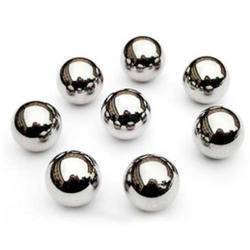
Steel Balls
Price 1 INR / Kilograms
Minimum Order Quantity : 1 Kilograms
Material : Steel
Diameter : Available in various diameters (customizable)
Weight (kg) : Varies by diameter
CNC Or Not : Other, No
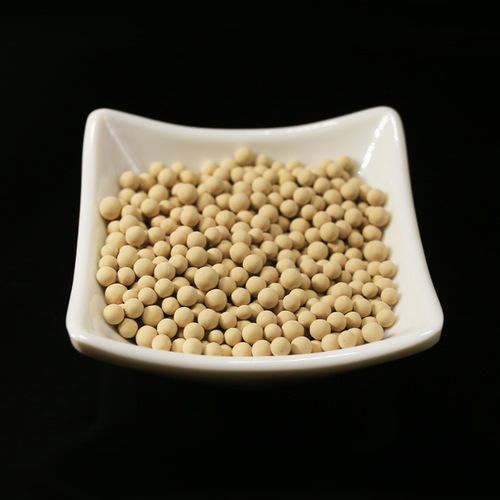
5A Molecular Sieve
Price 1 INR / Kilograms
Minimum Order Quantity : 1 Kilograms
Material : Zeolite
Diameter : 1.62.5 mm, 3.05.0 mm (customized sizes available)
Weight (kg) : 25 kg (bag)
CNC Or Not : Other, No
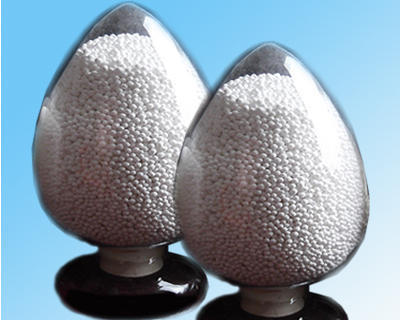
Activated Alumina Balls
Price 1 INR / Kilograms
Minimum Order Quantity : 1 Kilograms
Material : Aluminum Oxide (Al2O3)
Diameter : 25 mm, 58 mm, or as per requirement
Weight (kg) : Varies (Packed per Bag/Drum as required)
CNC Or Not : Other, No
13X Molecular Sieve
Price 1 INR / Kilograms
Minimum Order Quantity : 1 Kilograms
Material : Synthetic Zeolite
Diameter : 1.62.5 mm (pellets) or as required
Weight (kg) : 25 kg (typical packaging)
CNC Or Not : Other, No

 Send Inquiry
Our Products
- Blasting Nozzles
- Paint Spray Booth
- Abrasive Blasting Media
- Steatite Ceramic Beads
- Abrasive Recovery System
- Abrasive Blasting Machines
- Zirconium Silicate Beads
- Air Pollution Control System
- Yttria Stabilized Zirconia Beads
- Footwear Mold Cleaning Machine
- Special Purpose Blasting Machines
- Zirconia Alumina Composite Beads
- Cut Wire Shots
- Vibro Finishing Beads
- Zirconia Alumina Composite Beads for Bracelets
- Alumina Zirconia Grains Coated & Bonded Abrasives
- New Items
- Deflashing Machines
- Deflashing Media
- Plastic Grit
- Spare Parts for Blasting Machine

B No. 16- A- 3, Heavy Industrial Area, Jodhpur - 342003, Rajasthan, India

Mr Trideep Raj Bhandari
(Executive Director)
Mobile :08045814334
 Send Inquiry
 Send SMS
Developed and Managed by Infocom Network Private Limited.
